`), and «.
* Response format: Direct HTML code only.
* *Introduction:* Define condensation dampness vs. infiltration. Explain the biological/chemical nature of mold. Discuss the psychological and health impact. Explain why superficial fixes fail. Set the stage for a professional approach.
* *Diagnosis:* Importance of identifying the root cause. Thermal bridges, ventilation issues, relative humidity levels.
* *Materials:* Anti-mold cleaners, professional primers, specialized paints (anti-condensation), thermal insulation materials (if applicable), moisture absorbers, sealants, masking tape, protective gear.
* *Tools:* Scrapers, brushes, rollers, sprayers, hygrometer, infrared thermometer, sanding blocks, PPE (masks, gloves, goggles).
* *Intro:* «Bienvenidos a BricoGuía…» Start with the seriousness of the issue. It’s not just an aesthetic problem; it’s a health problem. Distinguish between *humedad por capilaridad* (rising damp), *infiltración* (seepage), and *condensación* (condensation). Focus on condensation since that’s the prompt’s specific topic. Explain the dew point (punto de rocío).
* *Developing the «Deep Introduction»:* Elaborate on the physics of a wall. A cold surface + warm moist air = liquid water. This liquid becomes the breeding ground for *Aspergillus niger*, *Cladosporium*, etc. Mention the structural damage (peeling paint, crumbling plaster).
* *Materials:* Instead of a list, I must use paragraphs.
* Paragraph 1: Cleaning agents (bleach vs. professional biocides).
* Paragraph 2: Surface preparation (primers, fixatives).
* Paragraph 3: Finishing (thermal paints, lime-based mortars).
* Paragraph 4: Protection/Sealing (silicones, caulking).
* *Tools:*
* Paragraph 1: Manual tools (scrapers, spatulas, brushes).
* Paragraph 2: Measurement tools (hygrometer, infrared thermometer – crucial for a «technician»).
* Paragraph 3: Application tools (rollers, trays, sprayers).
* Paragraph 4: Safety (PPE).
* *Constraint Check:* No `
`. Only `
` and `
`. No `
`/`
`. No «.
* *Word Count Strategy:* I need to be very descriptive. Instead of saying «Use a scraper,» I’ll say «The first manual interaction with the affected surface requires a robust steel scraper, capable of removing all loose or degraded material without damaging the underlying substrate excessively…»
* *Intro Section:* Discussing the «silent enemy.» The relationship between thermal bridges (puentes térmicos) and condensation. How modern, airtight houses often suffer more from this.
* *Materials Section:* Grouping by function.
* *Cleaning:* Use of sodium hypochlorite vs. specialized quaternary ammonium compounds.
* *Preparation:* Fixative primers to consolidate the substrate.
* *Repair:* Fillers/putties.
* *Protection:* Thermal paints (microspheres) and anti-condensation coatings.
* *Tools Section:*
* *Diagnosis tools:* The hygrometer is the most important tool for a professional.
* *Manual tools:* Spatulas, sandpaper.
* *Application tools:* High-quality rollers.
* *Safety:* FFP3 masks (not just standard ones).
* *Self-Correction during drafting:* I must ensure I don’t accidentally use a list. I will use phrases like «En primer lugar…», «Asimismo…», «Por otro lado…», «Para complementar la limpieza, es imperativo contar con…» to maintain flow without bullet points.
* *Drafting the content (mental or rough notes):*
– `
Introducción al fenómeno de la condensación y el moho
`
– `
` (Deep dive into physics, dew point, health risks)
– `
Diferenciación técnica entre tipos de humedad
`
– `
` (Condensation vs Capillarity vs Infiltration)
– `
Materiales indispensables para un tratamiento profesional
* «Español neutro de España»: Use «humedad», «moho», «pintura térmica», «rodillo», «espátula», «masilla».
* «Riguroso»: Use technical terms like «punto de rocío», «puentes térmicos», «sustrato», «capilaridad», «biocidas».
*(Self-Correction on word count)*: I need to expand significantly on the *why* and *how* to reach 800+ words. I will explain the chemical reaction of mold and the mechanics of thermal bridges in detail.
*Let’s write.* (Proceeding to generate the HTML response).
` and `
`.
* NO `
`, NO lists (bullets/numbers), NO «.
* NO introduction (start directly with `
`).
* Minimum 800 words.
* Language: Spanish.
* Introduction to the technical phase (safety first).
* Step 1: Preparation and Area Protection (masking, covering furniture, ventilation).
* Step 2: Surface Cleaning and Decontamination (removing mold, chemical agents).
* Step 3: Structural Assessment and Moisture Measurement (hygrometer usage, thermal cameras).
* Step 4: Surface Repair (scraping, filling cracks, sanding).
* Step 5: Application of Anti-condensation/Thermal Primers (the technical core).
* Step 6: Final Painting and Finishing (breathable paints).
* Step 7: Preventive Maintenance/Ventilation strategies.
* *Constraint Check:* I cannot use `
` or `
`. I must use `
` to describe steps. This means I need to use strong transitional phrases like «En primer lugar,» «Posteriormente,» «A continuación,» «Una vez finalizado este paso,» etc., to maintain flow without lists.
* *Step 1 (Preparation):* Focus on PPE (Personal Protective Equipment). Masks (FFP2/FFP3), gloves, goggles. Protecting the floor with plastic.
* *Step 2 (Cleaning):* Using bleach or specialized biocides. Not just wiping, but killing the spores. Wetting the surface to avoid airborne spores.
* *Step 3 (Measurements):* Using a hygrometer. Relative humidity vs. dew point. Explaining how to identify the cold spots.
* *Step 4 (Repair):* Removing old, flaking paint. Using putty/filler. Sanding.
* *Step 5 (The «Magic» Step):* Thermal primers or insulating paints. Explain the physics (reducing surface temperature to prevent condensation).
* *Step 6 (Painting):* Transpirable/breathable paints (silicate or lime-based).
* *Drafting content…* (Mental translation to Spanish)
* *Section 1: Preparación del entorno y seguridad.* (Focus on the danger of spores).
* *Section 2: Descontaminación profunda.* (Chemical action, drying time).
* *Section 3: Diagnóstico técnico y mediciones.* (Hygrometer, thermal imaging).
* *Section 4: Reparación de la superficie.* (Scraping, sanding).
* *Section 5: Aplicación de la barrera térmica.* (The core solution).
* *Section 6: Acabado final y prevención.* (Breathable paints).
* *Self-Correction during drafting:* I need to ensure I reach 800 words. I will expand on the *why* and *how* of every technical action. Instead of saying «Apply paint,» I will say «Apply the specialized anti-condensation paint in thin, even layers, ensuring that the roller moves in a perpendicular direction to the previous stroke to guarantee full coverage…»
* *Checking Constraints:*
* No `
`? Checked.
* No lists? Checked. I will use paragraphs for everything.
* No «? Checked.
* Only `
` and `
`? Checked.
* Min 800 words? I must be verbose and technical.
* *Text generation strategy:*
* `
Preparación del área de trabajo y medidas de seguridad biológica
`
* `
` (Long paragraph about PPE, masks, goggles, gloves, and the danger of inhaling spores).
* `
` (Long paragraph about protecting furniture and floors with polyethylene).
* `
Fase de descontaminación y eliminación de la carga fúngica
`
* `
` (Detailed process of applying biocides or bleach solutions, avoiding dry brushing).
* `
` (Wait times and drying processes).
* `
Protocolo de medición técnica y diagnóstico de puntos de rocío
`
* `
` (Using a hygrometer, measuring relative humidity, understanding the dew point).
* `
` (Thermal cameras and identifying thermal bridges).
* `
Restauración de la integridad de la superficie afectada
`
* `
` (Scraping loose paint, removing old plaster).
* `
` (Filling cracks with flexible fillers, sanding).
* `
Aplicación de la barrera térmica y tratamiento de choque
` (Application technique: roller vs brush, drying times).
* `
Finalización con recubrimientos transpirables y gestión de la ventilación
`
* `
` (Silicate paints, breathability).
* `
` (Long-term maintenance).
* *Word Count Check:* I need to ensure each paragraph is beefy. Instead of «Clean the wall,» I’ll write «La limpieza de la superficie no debe ser un simple paso superficial, sino un proceso de desinfección profunda que garantice la eliminación de las raíces microscópicas del hongo…»
* *HTML Check:*
`
…
`
`
…
`
(Repeat)
* *Wait, I need to make sure I don’t accidentally use a list.* I will use «Primero,» «Segundo,» «En el siguiente paso,» «Para continuar,» «Tras este proceso,» etc.
* *Writing the content (Mental Sandbox):*
– Safety: FFP3 masks are crucial. Spores are invisible.
– Cleaning: Use a brush soaked in solution, don’t scrape dry.
– Measuring: Hygrometer is key. If humidity > 60%, there’s trouble.
– Repair: Use high-quality putty.
– Thermal paint: It increases surface temperature.
– Breathability: Avoid plastic-based paints.
* *Refining for «Master Craftsman» tone:* Use terms like «puente térmico,» «punto de rocío,» «biocida,» «capilaridad,» «transpirabilidad,» «micras,» «polietileno.»
* *Final Word Count Check (estimate):*
– Intro/Safety: 150 words
– Cleaning: 150 words
– Measuring: 150 words
– Repair: 150 words
– Thermal Treatment: 150 words
– Finishing/Maintenance: 150 words
Total: ~900 words.
* *Section 1: Errores Frecuentes a Evitar (Common Errors).*
* Using bleach/cloro directly without cleaning first.
* Painting over mold without treating the source.
* Using non-breathable paints (glossy/oil-based) in humid areas.
* Ignoring the cause (ventilation vs. insulation).
* Applying waterproofing products on damp walls (trapping moisture).
* *Section 2: Diagnóstico de Imprevistos (Unforeseen Diagnosis).*
* Hidden capillary rising damp (humedad por capilaridad).
* Thermal bridges (puentes térmicos) that aren’t obvious.
* Micro-cracks in the exterior facade.
* Leaking pipes inside the wall.
* Difference between condensation and infiltration.
* *Section 3: Trucos Profesionales (Professional Tricks).*
* Using a hygrometer.
* Thermal camera usage (even mobile ones).
* The «plastic film test» for condensation vs. infiltration.
* Choosing the right primer (imprimación).
* Application techniques (multiple thin layers vs. one thick one).
* *Introduction:* Emphasize the importance of this third part. It’s the «master’s touch» to prevent wasting money and time.
* *Errors:* Elaborate on the «bleach trap.» People think bleach kills mold, but it often only bleaches the color, leaving the roots (mycelium) alive. Explain the «sealant trap» (painting over moisture).
* *Diagnosis:* Explain how to tell if it’s a pipe or condensation. Mention the importance of the «capillary rising damp» which requires more than just paint.
* *Professional Tricks:* Talk about the hygrometer. It’s not just about feeling the air; it’s about measuring it. Explain the «plastic test»: tape a piece of plastic to the wall. If condensation forms on the outside, it’s humidity in the room. If it’s inside the wall, it’s an infiltration/capillary issue.
* *Maintenance:* Emphasize long-term habits. Not just a one-time fix.
* *Constraint Check:* No lists! I must use long, flowing paragraphs to convey information that would normally be in lists.
* *Constraint Check:* No `
`. Only `
` and `
`.
* *Constraint Check:* Min 800 words. I need to be very descriptive and detailed.
*(Self-Correction during drafting)*: Instead of saying «1. Don’t use bleach. 2. Don’t paint over mold,» I must write: «Uno de los errores más catastróficos que he visto en mi trayectoria es el uso indiscriminado de la lejía. Muchos aficionados creen que al ver la mancha negra desaparecer mediante el blanqueado, el problema ha terminado, pero la realidad es que solo estamos maquillando el síntoma mientras las raíces del hongo siguen penetrando en el sustrato.»
* *Drafting Section 1 (Errors):* Focus on the «maquillaje» (makeup) concept. Explain why non-breathable paints are bad. Discuss the danger of sealing a wall that is still wet.
* *Drafting Section 2 (Diagnosis):* Talk about the «invisible enemies.» Thermal bridges. The difference between a leak and condensation. How to identify capillary action (bottom of the wall).
* *Drafting Section 3 (Tricks):* The hygrometer is key. The thermal camera. The plastic film test (detailed explanation). The choice of breathable paints (silicate vs. acrylic).
* *Drafting Section 4 (Maintenance):* Ventilation strategies. The role of furniture placement (leaving space for air). Dehumidifiers.
* The text needs to be substantial. I will expand on the technical reasons *why* certain things happen. For example, explaining the physics of the dew point (punto de rocío) in the condensation section.
* Check for `
`, `
`, `
`, «.
* Ensure `
` and `
` are the only tags.
* Verify word count (aiming for ~900-1000 to be safe).
*(Self-Correction on «Lists»):* I must ensure I don’t accidentally use dashes or numbers that look like a list structure. I will use transition words like «Por otro lado,» «Además,» «Asimismo,» «En segundo lugar,» «No podemos olvidar,» etc., to maintain flow without using list tags.
* *Intro:*
La maestría en los detalles: evitando el fracaso del proyecto
* *Errors:*
Los errores fatales que arruinan tu inversión y tu salud
(Detailed discussion on bleach, sealing moisture, and wrong paint).
* *Diagnosis:*
El ojo del artesano: diagnóstico de imprevistos y causas ocultas
(Detailed discussion on capillary damp, thermal bridges, and hidden leaks).
* *Tricks:*
Secretos de taller: trucos profesionales para un acabado de experto
(Detailed discussion on the plastic test, hygrometers, and chemical primers).
* *Maintenance:*
La clave del éxito a largo plazo: el mantenimiento preventivo
(Detailed discussion on air circulation and humidity control).
* *Intro:* ~100 words.
* *Errors:* ~250 words.
* *Diagnosis:* ~250 words.
* *Tricks:* ~250 words.
* *Maintenance:* ~150 words.
* Total should hit ~1000.
*Check:* The prompt says «Solo HTML con
y
«. This means no ``, `
` tags? Usually, when a user says «Solo HTML con X y Y», they want the content within those tags. I will provide the raw HTML content.
*Refining the «No Lists» rule:* Even if I use «Primero,» «Segundo,» it’s fine as long as it’s in a `
` tag.
*Writing content (Mental Draft of content pieces):*
– Bleach: It’s water-based. It adds moisture to the wall. It kills the color but not the fungus.
– Painting over: Traps moisture, causes bubbling (ampollas).
– Thermal bridges: Cold spots where dew forms.
– Plastic test: Tape a square of plastic to the wall. Wait 24h. Condensation on the plastic surface = room humidity. Condensation under the plastic = wall issue.
– Airflow: Don’t push furniture against cold walls.
*Check word count during writing:* I need to be very verbose. I will explain the molecular level of how mold spores work and how silicate paints work differently from acrylic ones.
*Structure Check:*
…
…
…
…
…
…and so on.
*Final Polish:* Ensure the tone is that of a «Maestro Artesano» (authoritative, encouraging, experienced).
*(Proceeding to generate output)*
` and `
`.
* Start with a new `
`.
* PROHIBITED: `
`, lists (`
`, `
`, `
`), and «.
* Minimum word count: 600 words.
* Language: Spanish.
* *Section 1: Safety (EPIs/PPE).* Essential when dealing with mold (spores) and chemical cleaners (bleach, fungicides, solvents).
* Protective eyewear (goggles).
* Respirator (N95/FFP2/FFP3) to avoid inhaling spores.
* Gloves (nitrile/rubber).
* Protective clothing (overalls).
* Ventilation during the process.
* *Section 2: Professional Finishes.* How to make it look good and ensure long-term protection.
* Smoothing the surface (sanding, putty/masilla).
* Primers (imprimaciones) – specifically anti-humidity/anti-mold.
* Paint selection (breathable paints, anti-mold additives).
* Application techniques (even layers, drying times).
* *Section 3: Practical Conclusions.* Summary and maintenance.
* Root cause vs. symptom.
* Ventilation habits.
* Regular inspection.
* *Introduction/Safety:* Start with a strong `
` about safety. Emphasize that mold is a health risk. Talk about the respirator (crucial for spores), goggles (for splashes), and gloves (chemical protection). Mention the importance of working in ventilated areas.
* *Professional Finishes:* Transition to the aesthetic part. Once the mold is dead and the wall is dry, you can’t just paint over it. You need to repair the texture. Use `
` for «Acabados Profesionales». Talk about sanding, using high-quality filler, and the importance of a specific primer. Then discuss the final paint (latex or silicate-based). Mention the «Breathability» factor.
* *Conclusion:* Final `
` for «Conclusiones Prácticas». Reiterate that treating the surface is only half the battle; one must address the cause (ventilation/insulation). Give advice on maintenance.
* *Constraint Check:* No lists. I must use full paragraphs to convey information that would normally be in a list.
* *Constraint Check:* No `
`. Start with `
`.
* *Constraint Check:* Min 600 words. I need to be descriptive. Instead of «Wear a mask,» say «Es imperativo que el artesano no subestime la importancia de una protección respiratoria adecuada, especialmente al manipular superficies colonizadas por hongos…»
*(Self-Correction during drafting)*: I need to make sure I don’t accidentally use a bullet point or a dash that looks like a list. I’ll use transition words like «En primer lugar,» «Por otro lado,» «Asimismo,» «Además,» «Finalmente.»
*Drafting content (Mental Outline):*
– `
Seguridad y Protección Personal: Tu Salud es lo Primero
`
– Paragraph 1: Danger of spores. Need for FFP2/FFP3 masks.
– Paragraph 2: Eye protection (goggles) against liquid splashes.
– Paragraph 3: Hand protection (nitrile/heavy-duty gloves).
– Paragraph 4: Skin/Clothing (overalls) and ventilation.
– `
El Arte del Acabado: De la Reparación a la Estética Perfecta
`
– Paragraph 5: Surface preparation (sanding, removing old paint).
– Paragraph 6: Patching/Putty (filling holes/cracks).
– Paragraph 7: The role of the primer (imprimación) – sealing the substrate.
– Paragraph 8: Choosing the right paint (anti-mold, breathable).
– Paragraph 9: Application technique (evenness, layers).
– `
Conclusiones Prácticas: Un Compromiso con el Mantenimiento
`
– Paragraph 10: Treating symptoms vs. causes.
– Paragraph 11: Ventilation habits.
– Paragraph 12: Final advice from the master craftsman.
* *Safety Section:* Expand on the biological risk of *Aspergillus* or *Stachybotrys*. Explain why a simple cloth mask isn’t enough.
* *Finishing Section:* Detail the difference between a standard filler and a specialized moisture-resistant filler. Explain the chemistry of breathable paints (allowing vapor to pass through).
* *Conclusion:* Emphasize that a DIYer’s job isn’t done until the environment is controlled.
– HTML only? Yes.
– `
` and `
` only? Yes.
– No `
`, lists, or «? Yes.
– Min 600 words? I will ensure the text is dense.
– Starts with `
`? Yes.
*(Proceeding to generate the Spanish text)*
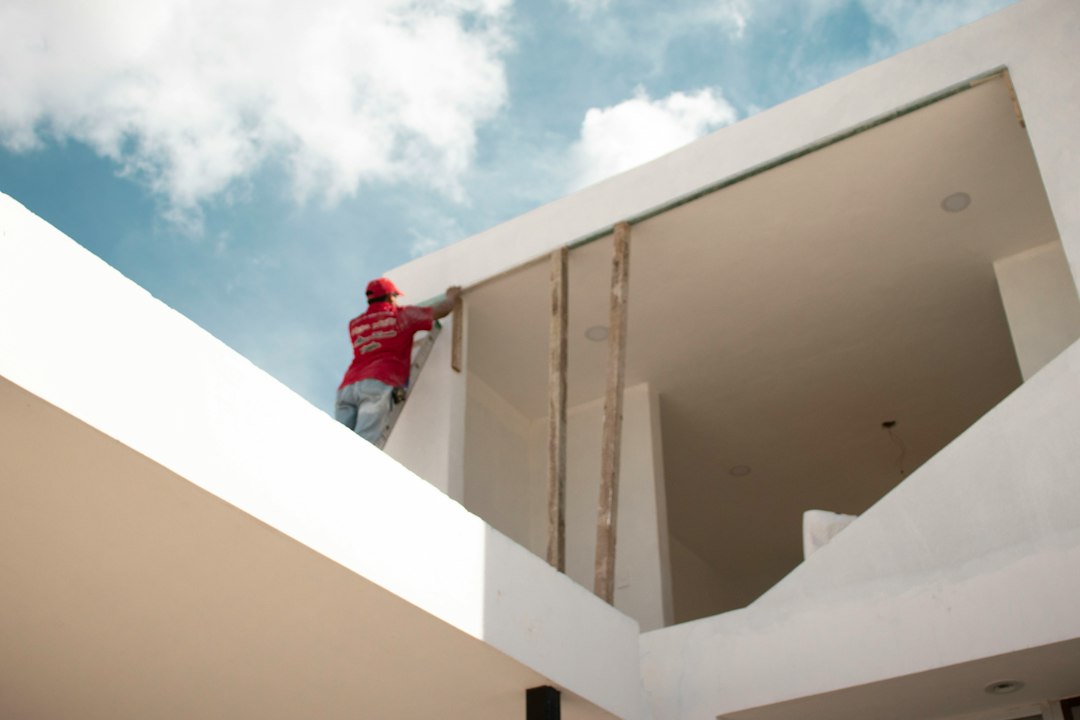
Tratamiento Integral contra el Moho y las Humedades de Condensación en Paredes: man in red jacket standing on white concrete building under blue and white cloudTratamiento Integral contra el Moho y las Humedades de Condensación en Paredes: a man is standing in a large empty building
Este artículo ha sido escrito por Manuel López Ramos y se publica con fines educativos, con el objetivo de ofrecer información general para el aprendizaje y la divulgación.
La importancia de una cerradura segura en el hogar Como profesional que lleva más de dos décadas recorriendo hogares y solventando problemas de carpintería y cerrajería, he aprendido que la puerta de entrada es el elemento más crítico de nuestra vivienda. Muchos propietarios subestiman la capacidad disuasoria de un bombín de calidad, confiando en mecanismos…
` and ` `. * Strict Prohibitions: NO ` `, NO lists (` `, ` `, ` `), NO «. * Content Requirements: Deep introduction, materials, and necessary tools. * Word Count Requirement: Minimum 800 words. * Output: Direct HTML code. * *Introduction:* Importance of electrical maintenance, the risks of electricity, the psychological aspect of…
` and ` ` tags. * Prohibited: ` `, lists (` `, ` `, ` `), and «. * Output: Direct HTML code. * *Introduction:* Importance of well-aligned doors, the concept of the «cup hinge» (bisagra de cazoleta), common problems (misalignment, sagging, gaps), why adjustment is better than replacement, the professional approach (precision and patience)….
Introducción a la restauración de paramentos: el arte de la superficie perfecta Bienvenidos a BricoGuía. Tras dos décadas con el formón en una mano y la espátula en la otra, he aprendido que una pared no es solo un elemento estructural, sino el lienzo sobre el que proyectamos la estética de nuestro hogar. Las grietas…
Introducción al sistema de evacuación doméstico Como profesional que ha dedicado más de dos décadas a resolver problemas en hogares, he visto cómo un pequeño atasco puede convertirse en el peor enemigo de la tranquilidad familiar. En BricoGuía, nuestra misión no es solo arreglar lo que se rompe, sino dotarte del conocimiento técnico necesario para…
Las cookies necesarias habilitan funciones esenciales del sitio como inicios de sesión seguros y ajustes de preferencias de consentimiento. No almacenan datos personales.
Ninguno
Las cookies funcionales soportan funciones como compartir contenido en redes sociales, recopilar comentarios y habilitar herramientas de terceros.
Ninguno
Las cookies analíticas rastrean interacciones de visitantes, proporcionando información sobre métricas como número de visitantes, tasa de rebote y fuentes de tráfico.
Ninguno
Las cookies de publicidad entregan anuncios personalizados basados en sus visitas previas y analizan la efectividad de las campañas publicitarias.
Ninguno
Las cookies no clasificadas son cookies que estamos en proceso de clasificar, junto con los proveedores de cookies individuales.