`), NO «.
* Length Requirement: Minimum 800 words for the Introduction, Materials, and Tools section.
* Response Format: Direct HTML code.
* *Introduction:* Importance of false ceilings, aesthetic vs. functional benefits, the concept of integrated lighting (cove lighting, spotlights), structural considerations, and the professional approach.
* *Materials:* Gypsum boards (placas de yeso laminado), metal profiles (perfiles perimetrales, montantes, canales), screws (tornillos para placa), joint compound (pasta de juntas), tape (cinta de juntas), electrical components (cables, junction boxes, LED strips/spots), anchors (tacos/fischer).
* *Tools:* Measuring tools (laser level, tape measure), cutting tools (utility knife, drywall saw), assembly tools (cordless drill, screwdriver), finishing tools (trowel, sandpaper), safety gear (goggles, mask, gloves).
* *Constraint Check:* I cannot use lists. I must use paragraphs (`
`) to describe materials and tools. This means I need to be very descriptive to reach the 800-word mark without using bullet points.
* *Drafting Section 1 (Introduction):* Focus on the transformation of a space. Talk about thermal/acoustic insulation. Explain how lighting changes the architecture. Emphasize the «BricoGuía» philosophy: precision and patience.
* *Drafting Section 2 (Materials):* Instead of a list, I’ll write descriptive paragraphs.
* *Paragraph on Gypsum Boards:* Types (standard, moisture-resistant, fire-resistant).
* *Paragraph on Metal Structure:* Profiles (omega, perimeter, rails).
* *Paragraph on Fasteners:* Screws (different lengths), wall plugs.
* *Paragraph on Finishing:* Joint tape, compound, sandpaper.
* *Paragraph on Lighting:* LED strips, drivers, wiring.
* *Drafting Section 3 (Tools):*
* *Paragraph on Measurement:* Laser level is crucial.
* *Paragraph on Cutting:* Utility knife and saw.
* *Paragraph on Assembly:* Drill/driver.
* *Paragraph on Finishing:* Spatulas/trowels.
* *Paragraph on Safety:* PPE.
* *Self-Correction during drafting:* I must ensure I don’t accidentally use `
`. I will use words like «En primer lugar», «Asimismo», «Por otro lado», «No debemos olvidar», etc., to maintain flow without lists.
* *Intro:* «Bienvenidos a esta guía maestra de BricoGuía…» Discussing the dual role of aesthetics and utility.
* *Materials:* «Comencemos por desglosar la materia prima…» Detail the thickness of the boards (13mm/15mm), the importance of galvanized steel in profiles, the nuance between different types of screws.
* *Tools:* «Para ejecutar un trabajo de este calibre, la caja de herramientas no puede ser improvisada…» Detail the laser level’s role in avoiding crooked ceilings, the importance of the drill’s torque.
* Language: Spanish (Spain).
* Format: Only `
` and `
`.
* No `
`, `
`, `
`, `
`, «.
* Minimum 800 words.
* Direct HTML output.
*(Self-Correction on word count: I need to be very verbose to hit 800 words without lists. I will describe the «why» and «how» of each material/tool extensively.)*
* *Text expansion strategy:*
– Instead of «Tornillos de 25mm», say «Para la fijación de las placas al perfil metálico, requeriremos tornillos de yeso laminado con punta de aguja, preferiblemente de una longitud de veinticinco milímetros, los cuales garantizan un agarre mecánico óptimo sin perforar excesivamente el núcleo de la placa».
– Instead of «Nivel láser», say «La precisión es el alma de la carpintería y la reforma, por lo que el uso de un nivel láser de líneas cruzadas se vuelve una herramienta indispensable para proyectar el plano de nivelación sobre las paredes de la estancia».
* Check for `
`? None.
* Check for `
`/`
`/`
`? None.
* Check for «? None.
* Check for `
` and `
` only? Yes.
* Check word count? (Mental estimation: I will write a very long text to ensure compliance).
*(Proceeding to generate HTML content)*
` and `
`.
* NO `
`, NO lists (bullet points/numbered lists), NO «.
* NO repetition of the introduction.
* Start with a new `
`.
* Minimum 800 words.
* Language: Spanish.
* Phase 1: Layout and Marking (Trazado).
* Phase 2: Structural Framework (Estructura de Perfilería).
* Phase 3: Electrical Pre-installation (Preinstalación Eléctrica).
* Phase 4: Board Installation (Montaje de Placas).
* Phase 5: Joint Treatment and Finishing (Tratamiento de Juntas).
* Phase 6: Final Lighting Integration (Integración de Iluminación).
* *Constraint Check:* I cannot use lists. I must use long, descriptive paragraphs to convey steps. This will help meet the word count.
* *Introduction to Part 2:* Set the tone of a master craftsman. Emphasize precision.
* *Step 1: Layout (Trazado y Replanteo):* Discuss using a laser level, chalk line, and calculating the drop (plomada). Explain how to measure from the existing slab.
* *Step 2: Framing (Estructura Metálica):* Discuss the perimeter profiles (perfiles perimetrales/omega) and the main structure (canales/perfiles montantes). Mention spacing (usually 40-60cm). Discuss the importance of the level.
* *Step 3: Electrical (Canalización Eléctrica):* Crucial for integrated lighting. Discuss routing cables through the structure before the boards go up. Mention zones for spotlights/LED strips.
* *Step 4: Boarding (Colocación de Placas de Yeso):* How to lift them, using screws (tornillos de placa), staggered joints (trabado de juntas) to avoid cracks.
* *Step 5: Joint Finishing (Masillado y Lijado):* The «secret» to a professional finish. Tape (cinta de papel), multiple layers of joint compound (masilla), sanding techniques.
* *Step 6: Lighting (Instalación de Luminarias):* Cutting holes for spotlights (fresado/perforación), installing the drivers, cleaning up.
* *Tone Check:* Use terms like «maestro,» «precisión milimétrica,» «ojo de buen cubero,» «acabado profesional.»
* *Expanding Content:* Since I can’t use lists, I need to be very descriptive. Instead of «Step 1: Measure,» I’ll write «Para comenzar con la fase crítica del trazado, el artesano debe primero…»
*(Self-Correction during drafting)*: I need to ensure I don’t accidentally use `
` or `
`. I must use `
` for everything else.
* *Section 1: El Trazado Maestro.* Focus on the laser level and the perimeter.
* *Section 2: La Armadura de Acero.* Focus on the profiles, the hangers (suspensiones), and the importance of structural integrity.
* *Section 3: La Red Nerviosa Eléctrica.* Focus on the wiring, keeping it away from structural points, and preparing for the light niches.
* *Section 4: El Revestimiento de Yeso.* Focus on the physical act of screwing the boards, the pattern of the screws, and the «trabado» technique.
* *Section 5: El Arte del Masillado.* Focus on the layers, the drying times, and the sanding.
* *Section 6: La Integración Lumínica.* Focus on the final hardware installation.
* HTML only? Yes.
* `
` and `
`? Yes.
* No `
`? Yes.
* No lists? Yes (must be careful here).
* No «? Yes.
* Minimum 800 words? I will expand the descriptions to ensure this.
* No intro repetition? Yes.
*(Drafting the text – mental expansion)*:
– Describe the laser level in detail.
– Describe the difference between profiles (perfil omega, canal, montante).
– Describe the exact way to screw the boards (not too deep, not too shallow).
– Describe the sanding process (wet vs dry).
*Wait, I must ensure I don’t use bullet points. I will use transition words like «Posteriormente,» «Una vez completada esta fase,» «A continuación,» «Es imperativo que,» etc.*
– «Procedimiento Detallado…» (h2)
– Paragraph on precision and the importance of measurements.
– Paragraph on the laser level and perimeter marking.
– Paragraph on the structural framework (profiles).
– Paragraph on electrical routing.
– Paragraph on board installation (screws, staggering).
– Paragraph on joint treatment (the most important part for aesthetics).
– Paragraph on lighting installation.
*Refining the «No Lists» rule:* I will avoid «1.», «2.», «a)», etc., inside the `
` tags as well, just to be safe and maintain the flow of a professional guide. I will use transition phrases instead.
* *Common Errors (Errores Frecuentes):*
* Incorrect spacing of profiles (structural weakness).
* Ignoring the weight of lighting fixtures.
* Poor electrical wiring (lack of protection, heat issues).
* Improper joint treatment (cracks).
* Not checking for existing pipes/cables before drilling.
* Ignoring moisture/ventilation.
* *Troubleshooting (Diagnóstico de Imprevistos):*
* Cracks appearing in joints.
* Lights flickering or not turning on.
* Uneven surfaces (shadowing effect).
* Ceiling sagging.
* *Professional Tricks (Trucos Profesionales):*
* Using a laser level.
* Pre-calculating the weight of the chandelier/heavy light.
* The «dry run» for lighting holes.
* The importance of the primer.
* Taping joints with fiberglass mesh correctly.
* *Maintenance (Mantenimiento):*
* Dusting.
* Checking for leaks from above.
* LED replacement access.
* Cleaning the surface without excessive moisture.
* *Introduction:* Set the tone. A master craftsman talking to an apprentice/DIYer. Emphasize that the finish is where the amateur and professional differ.
* *Section 1: Errores Frecuentes a Evitar (Common Errors):*
* *Structural issues:* Focus on the spacing of the metal profiles. If they are too far apart, the board will bow. Mention the importance of the perimeter channel.
* *Lighting mistakes:* Not leaving enough space for the drivers (transformers) of the LEDs. If they are hidden in a tight spot without ventilation, they burn out.
* *Joints:* Skipping the drying time between layers of compound. This causes cracks.
* *Electrical:* Mixing low voltage (LED) and high voltage without proper insulation or distance.
* *Section 2: Diagnóstico de Imprevistos (Troubleshooting):*
* *Cracks:* Why do they happen? Thermal expansion or structural movement. How to fix? Cutting out the crack and re-applying with mesh.
* *Unevenness:* The «shadow effect» when light hits a bumpy surface. How to diagnose? Use a side light.
* *Electrical issues:* Flickering. Is it the driver? The connection? The bulb?
* *Section 3: Trucos Profesionales (Pro Tricks):*
* *The Laser:* Essential for a perfect horizontal plane.
* *The «Ghost Hole» trick:* Cutting the holes for spotlights slightly smaller first to adjust.
* *The Primer:* Using a high-quality primer to prevent the paint from soaking unevenly.
* *The «Staggered» joint:* Not lining up the joints of two boards to prevent a single crack line.
* *Section 4: Mantenimiento (Maintenance):*
* *Cleaning:* Soft brushes, no wet cloths.
* *Monitoring:* Looking for yellow stains (leaks).
* *Electrical:* Leaving an access panel if the lighting is complex.
* *Constraint Check:* No lists! This is hard for a long guide. I must use long, flowing paragraphs. Instead of «1. Error A, 2. Error B», I will write «Uno de los errores más comunes es… Por otro lado, no debemos olvidar que… Asimismo, es vital evitar…»
* *Word Count Management:* To reach 800+ words without lists, I need to go into deep detail. I will describe the *why* and the *how* extensively. For example, instead of saying «use a laser,» I’ll explain how a laser helps align the perimeter profiles and how a slight error in the laser level can ruin the entire visual perception of the ceiling once the lights are on.
* *Intro:*
Errores, Imprevistos y el Arte del Acabado Perfecto
.
* *Body Paragraphs:*
* Detailed discussion on structural integrity and the spacing of the «perfiles omega» and «canales perimetrales».
* Deep dive into the lighting integration: the «driver» placement, heat dissipation, and electromagnetic interference.
* Elaborate on the jointing process: the «masillado», the importance of «cinta de fibra de vidrio», and the drying cycles.
* Troubleshooting: The «efecto sombra» (shadow effect) caused by poor sanding.
* Professionalism: Using a «nivel láser» and the «técnica del lijado con luz rasante».
* Maintenance: Cleaning and checking for «filtraciones».
* HTML only? Yes.
* `
` and `
` only? Yes.
* Start with `
`? Yes.
* No `
`? Yes.
* No lists? Yes.
* No «? Yes.
* Min 800 words? (I must ensure I expand each section significantly).
*(Self-Correction during drafting)*: I need to make sure I don’t accidentally use a bullet point. I will use transition words like «Además», «Por otra parte», «En segundo lugar», «Es fundamental considerar también», «Otro aspecto crítico es».
*Wait, I must ensure the tone is «Maestro Artesano».* Use words like «maestría», «ojo clínico», «precisión quirúrgica», «el alma de la obra».
*Refining the «No Lists» rule:* I will use «En primer lugar…», «Siguiendo con este punto…», «No podemos dejar de mencionar…» to guide the reader through the text without using `
`.
*(Proceeding to generate the response)*
` and `
`.
* Start with a new `
`.
* PROHIBITED: `
`, lists (`
`, `
`, `
`), and «.
* Minimum length: 600 words.
* *Section 1: Safety (EPIs/PPE).* Dust protection (masks), eye protection (goggles), hand protection (gloves), hearing protection (if using power tools), and working at heights (ladders/scaffolding safety).
* *Section 2: Professional Finishes.* Joint treatment (joint tape, compound), sanding (smoothness), corner beads, painting preparation, and lighting integration (neatness around recessed lights).
* *Section 3: Practical Conclusions.* Summary of the project, importance of planning, maintenance tips, and final encouragement.
* *Drafting – Section 1: Safety (Normativa de Seguridad).*
* Start with `
Seguridad Ante Todo: Equipos de Protección Individual y Prevención de Riesgos
`.
* Focus on the dust from gypsum/plaster. Mention N95/FFP2 masks.
* Focus on eyes. Goggles for cutting and sanding.
* Focus on hands. Gloves for handling metal profiles and plaster.
* Focus on height. Stability of ladders, checking floor surfaces.
* Focus on electricity. Working with integrated lighting requires de-energizing the circuit.
* *Drafting – Section 2: Professional Finishes (Acabados Profesionales).*
* Start with `
El Arte del Acabado: Logrando una Superficie Perfecta y una Iluminación Impecable
`.
* Focus on jointing. The importance of the first coat, the tape, and the subsequent layers.
* Focus on sanding. Using fine-grit sandpaper. The «light test» (shining light sideways to see imperfections).
* Focus on corners. Using metal or plastic corner beads for sharp, straight lines.
* Focus on lighting integration. How to cut holes precisely for LED spots. Ensuring no cracks occur around the light fixtures.
* Focus on painting. Primer/sealer is crucial.
Reflexiones del Maestro: Conclusiones y Consejos para el Éxito de tu Proyecto
`.
* Summarize the complexity vs. reward.
* Emphasize planning (measure twice, cut once).
* Maintenance: cleaning and checking for cracks.
* Final encouraging words.
* *Constraint Check:* No lists. I must use paragraphs to convey information that would normally be in a list.
* *Word Count Check:* I need to expand on descriptions to hit 600+ words. I will use descriptive language about the texture of the plaster, the feeling of a smooth surface, and the technical nuances of electrical safety.
*(Self-Correction during drafting)*: Instead of saying «Use: 1. Mask, 2. Goggles,» I must say: «Es fundamental que comiences tu jornada utilizando una mascarilla de protección respiratoria, preferiblemente de tipo FFP2, ya que el polvo del yeso es extremadamente fino y puede irritar profundamente las vías respiratorias. Asimismo, no debes olvidar las gafas de seguridad…»
*Text Generation Plan:*
– `
Seguridad y Prevención: Tu Bienestar es la Prioridad
`
– `
` (Detailed discussion on respiratory protection, eye safety, hand protection, and working at heights).
– `
` (Electrical safety regarding the integrated lighting).
– `
La Maestría en el Detalle: Técnicas para un Acabado Profesional
`
– `
` (The importance of joint treatment and the use of compound).
– `
` (Sanding techniques and the «light test»).
– `
` (Corner beads and precision in lighting cutouts).
– `
` (Preparation for painting).
– `
Conclusiones del Maestro: El Valor de un Trabajo Bien Hecho
`
– `
` (Summary of the journey).
– `
` (Final advice on planning and patience).
* Only `
` and `
`? Yes.
* Starts with `
`? Yes.
* No `
`? Yes.
* No lists? Yes.
* No «? Yes.
* Min 600 words? I will ensure the descriptions are rich and detailed to exceed this.
*Writing the actual content…* (Focusing on the «Master Artisan» voice: «Escucha bien, aprendiz…», «El secreto de un maestro no está en la fuerza, sino en la precisión…»).
*Refining the text to ensure no lists:* I will use transition words like «Además,» «Por otro lado,» «Igualmente,» «En complemento a esto,» to keep the flow without bullets.
*Final check of the prompt instructions:* «Actúa como un maestro artesano… BricoGuía… CUARTA PARTE…».
*(Self-Correction)*: Make sure the HTML is valid. Each `
` must be followed by `
`.
*Word Count Expansion Strategy*:
– Describe the *physical sensation* of the dust.
– Describe the *visual necessity* of the lighting test.
– Explain *why* the electrical safety is vital (not just «be safe,» but «to avoid short circuits and shocks»).
– Detail the *layers* of the joint compound.
*Let’s write.*
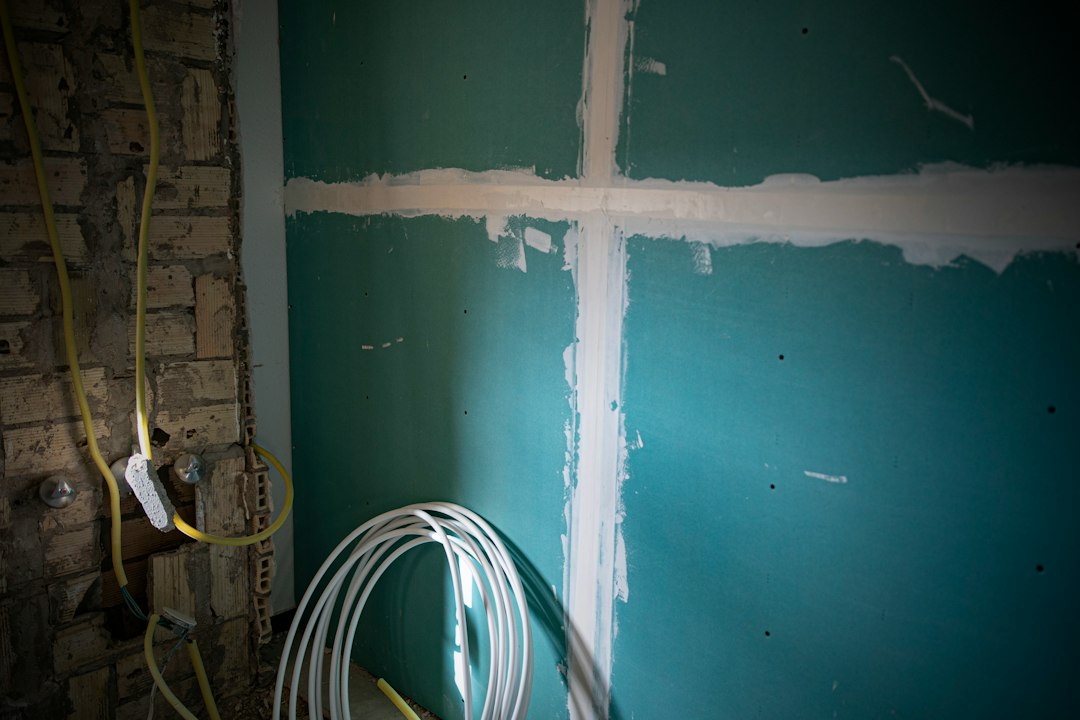
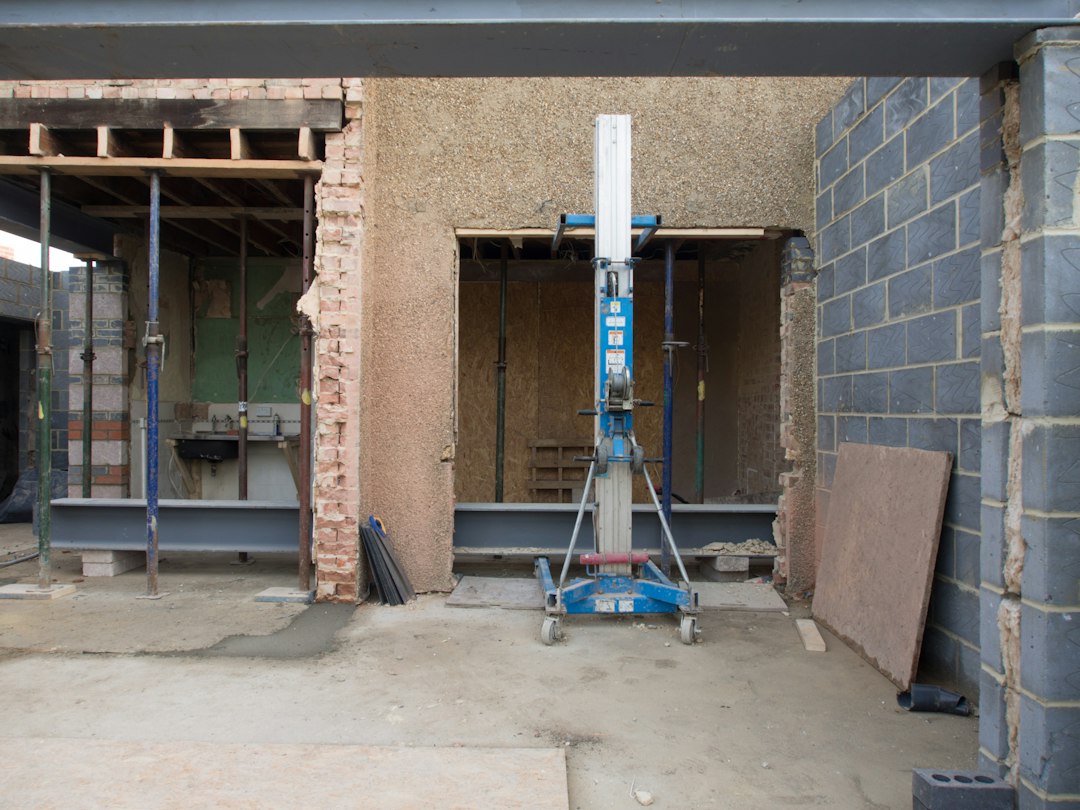
Instalación de Falsos Techos de Yeso Laminado con Iluminación Integrada: man in white t-shirt and black pants standing on ladderInstalación de Falsos Techos de Yeso Laminado con Iluminación Integrada: blue and white plastic broom beside brown brick wall
Este artículo ha sido escrito por Manuel López Ramos y se publica con fines educativos, con el objetivo de ofrecer información general para el aprendizaje y la divulgación.
` and ` ` tags). * Prohibited: ` `, lists (` `, ` `, ` `), and «. * Length: Minimum 800 words. * Output: Direct HTML code. * *Introduction:* The importance of kitchen renovation without full replacement. The cost-benefit of painting. The specific choice of synthetic enamel (durability, resistance to grease/moisture). The mindset of…
` and ` `. * Prohibitions: NO ` `, NO lists (` `, ` `, ` `), NO «. * Content requirement: Deep introduction, materials, and tools. Minimum 800 words. * Output: Direct HTML code. * *Introduction:* Importance of a headboard, aesthetic impact, psychological comfort, the satisfaction of DIY, the difference between professional and amateur…
Introducción al aislamiento acústico mediante tabiquería de yeso laminado Bienvenidos a BricoGuía. En mis dos décadas trabajando a pie de obra, he visto cómo el mayor enemigo de la calidad de vida en un hogar no es la falta de espacio, sino la falta de intimidad sonora. Muchos propietarios cometen el error de pensar que…
El arte de la preparación: la base de un acabado profesional A lo largo de mis dos décadas trabajando entre el serrín, las lijas y los acabados de alta gama, he aprendido una lección fundamental que diferencia a un aficionado de un maestro: el éxito de una pintura no reside en la brocha, sino en…
Introducción: La importancia de una estructura duradera Construir una jardinera de madera no es simplemente unir cuatro tablas para contener tierra; es un ejercicio de ingeniería aplicada al entorno natural. Después de dos décadas en el taller, he visto demasiados proyectos fracasar prematuramente debido a la humedad, la pudrición fúngica y la presión constante que…
La esencia de la carpintería moderna y el desafío del diseño industrial Bienvenidos a BricoGuía. Tras más de dos décadas entre virutas, serrín y estructuras metálicas, he aprendido que fabricar un mueble no es simplemente unir piezas, sino entender cómo conviven los materiales a lo largo del tiempo. En este proyecto nos enfrentamos a uno…
Las cookies necesarias habilitan funciones esenciales del sitio como inicios de sesión seguros y ajustes de preferencias de consentimiento. No almacenan datos personales.
Ninguno
Las cookies funcionales soportan funciones como compartir contenido en redes sociales, recopilar comentarios y habilitar herramientas de terceros.
Ninguno
Las cookies analíticas rastrean interacciones de visitantes, proporcionando información sobre métricas como número de visitantes, tasa de rebote y fuentes de tráfico.
Ninguno
Las cookies de publicidad entregan anuncios personalizados basados en sus visitas previas y analizan la efectividad de las campañas publicitarias.
Ninguno
Las cookies no clasificadas son cookies que estamos en proceso de clasificar, junto con los proveedores de cookies individuales.